Lotus Power

Lotus Power

Lotus Power

Lotus Power

Lotus Power

Lotus Power

Lotus Power

Lotus Power

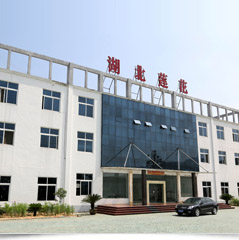
About Us

About Us

We continuously improve product manufacturing processes and quality, while constantly developing new products to maintain market competitiveness.

PRODUCTS


Recommended Products

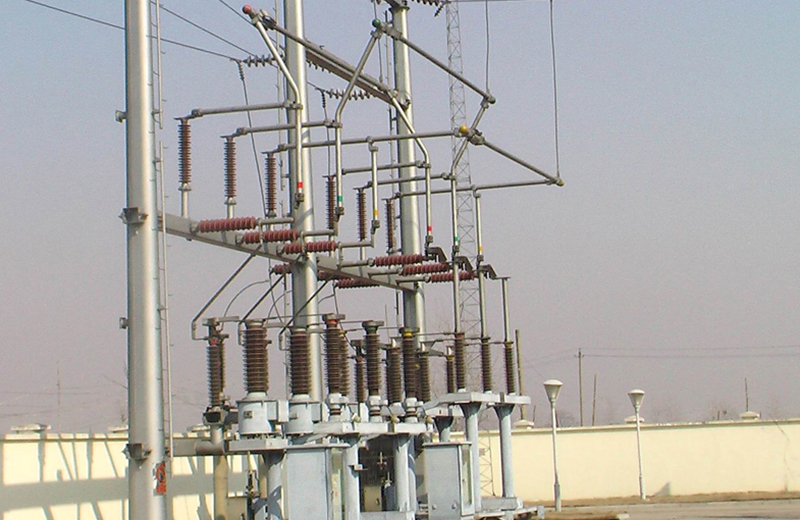
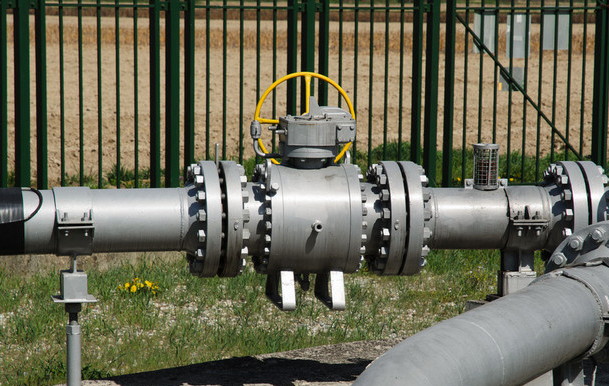
The products are primarily used in industries such as power, metallurgy, petrochemicals, machinery, construction, and refrigeration.

Enterprise Advantages

Lotus is dedicated to the research, development, and production of high-tech, multi-purpose aluminum products.

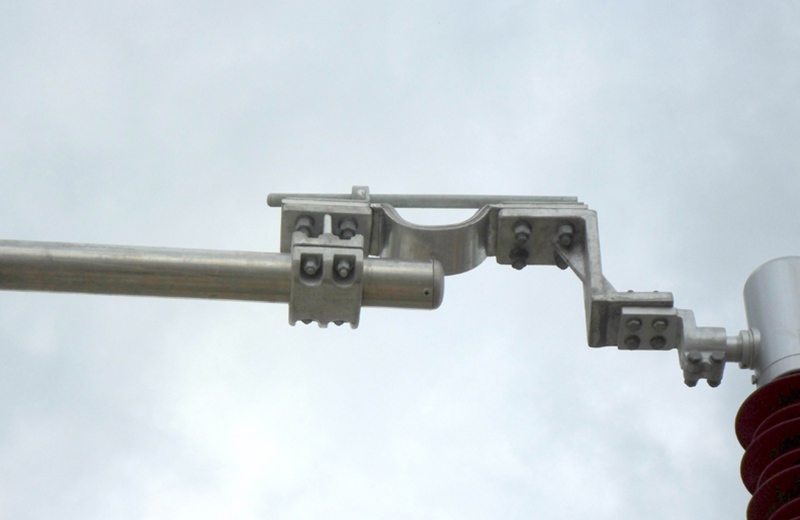
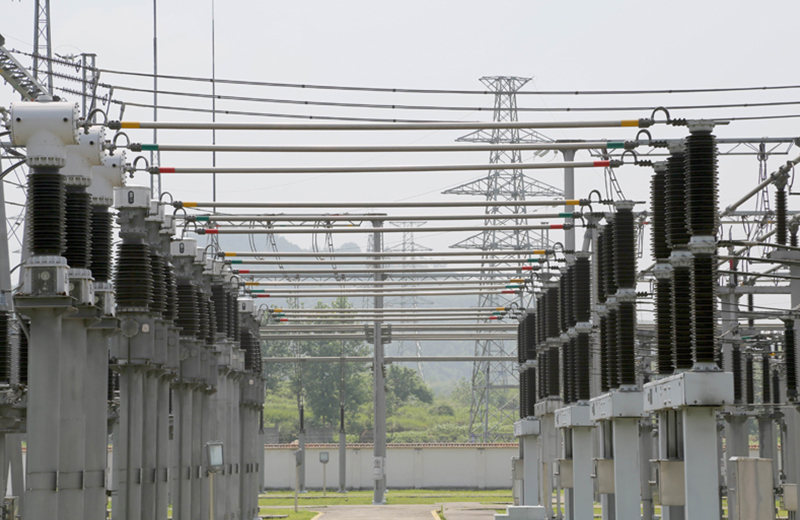
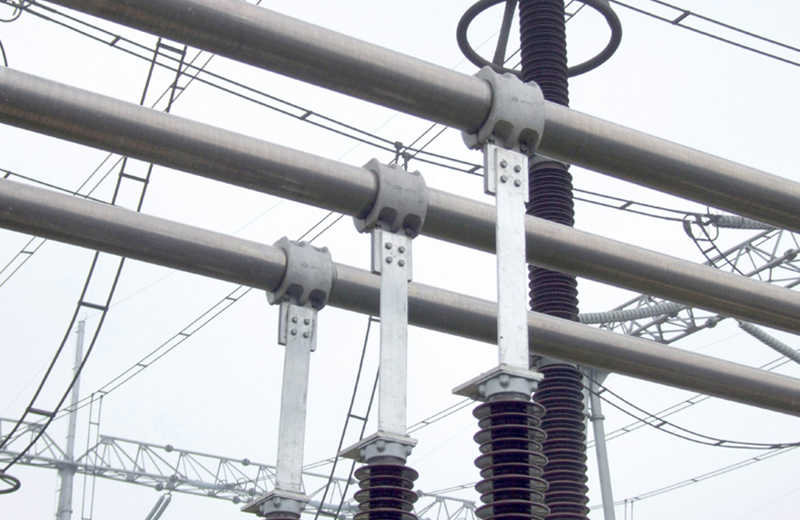
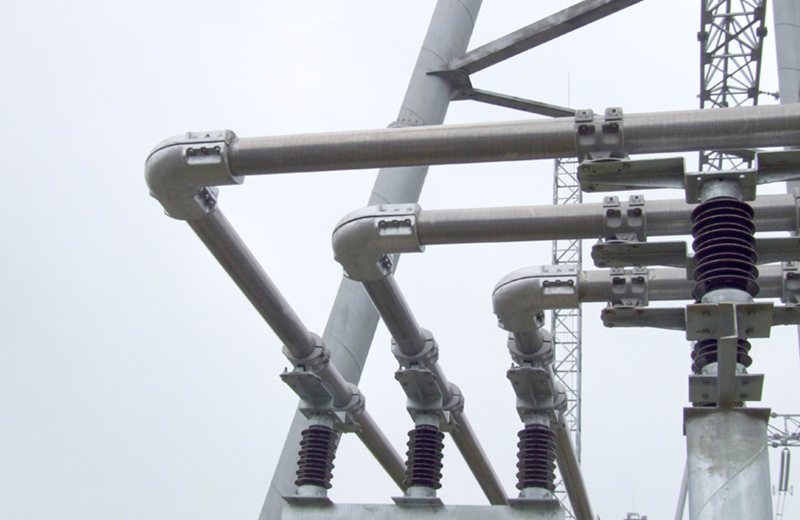
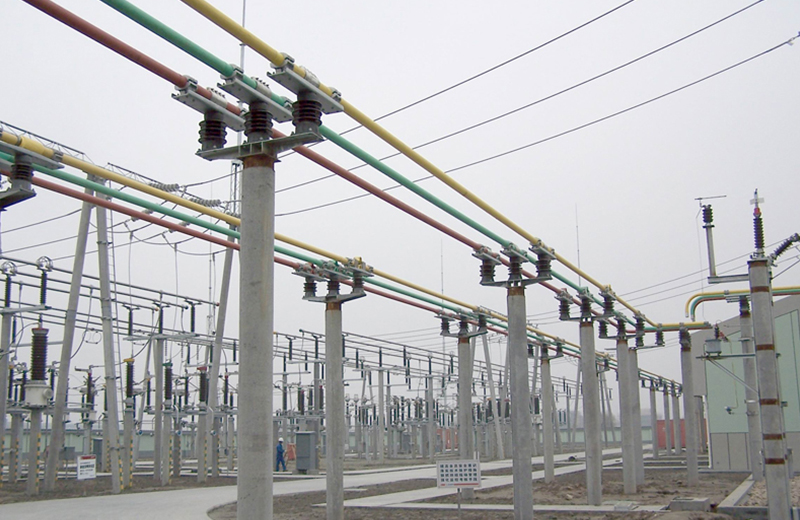
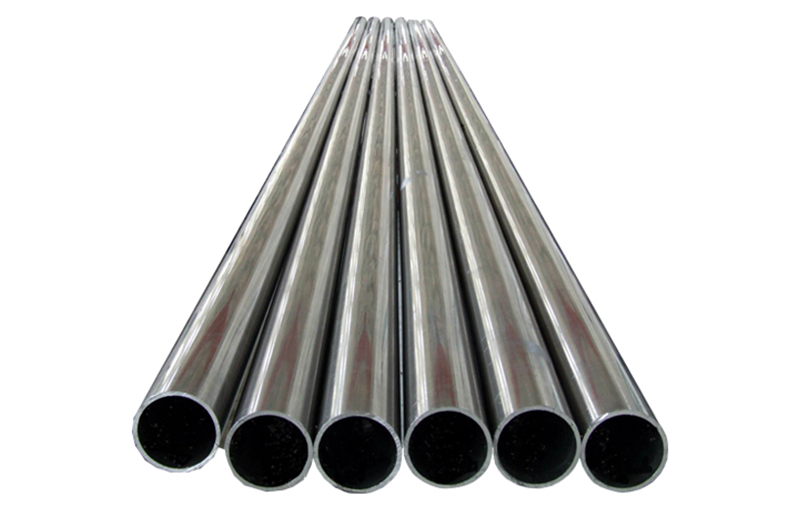
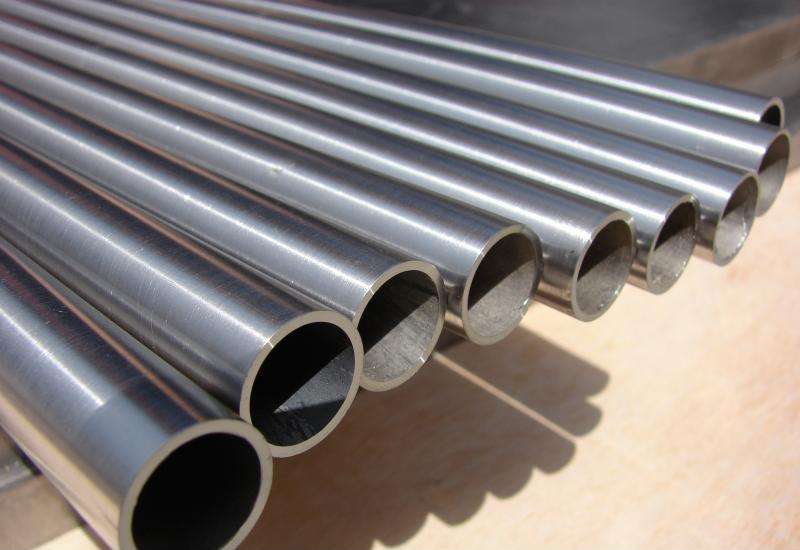
The main products include aluminum alloy tubular busbars, insulated copper (aluminum) tubular busbars, enclosed insulated busbars, ultra-thin aluminum alloy tubes for air-conditioner condensers and evaporators, power hardware tubing, aluminum and aluminum alloy tubes for heat exchangers in petrochemical refrigeration machinery, aluminum busbars for electrical applications, aluminum and aluminum alloy bars, various aluminum alloy industrial profiles, and more.

1970 +

Year

Company establishment

20 +

+

Sold across multiple provinces

13000 +

m2

Workshop area

Enterprise Strength

Enterprise Strength

Its sophisticated manufacturing equipment, mature production processes, stable product quality, and high-quality after-sales service all rank among the best in the industry, earning widespread praise from customers.

Image name

Comprehensive ability

The main products include aluminum alloy tubular busbars, insulated copper (aluminum) tubular busbars, enclosed insulated busbars, ultra-thin aluminum alloy tubes for air-conditioner condensers and evaporators, power hardware tubes, and aluminum and aluminum alloy tubes for heat exchangers used in petrochemical refrigeration machinery.

Scope of Services

Scope of Services

The products are primarily used in industries such as power, metallurgy, petrochemicals, machinery, construction, and refrigeration.

Service Philosophy

Service Philosophy

The company sincerely looks forward to collaborating with your organization, fostering mutual benefits and jointly pursuing the development of our businesses. Your needs are our guiding goal; fulfilling your expectations is our enduring pursuit.

News and Information

Product Center

What are the uses and specification classifications of aluminum profiles?


Aluminum profiles can be categorized by application as follows: 1. Architectural aluminum profiles for doors and windows; 2. Specialized aluminum profiles for CPU heat sinks; 3. Aluminum profiles for aluminum alloy shelving. By alloy composition, they can be divided into: 1. Anodized aluminum profiles; 2. Electrophoretic-coated aluminum profiles; 3. Powder-coated aluminum profiles; 4. Wood-grain transfer aluminum profiles; 5. Planed aluminum profiles. Taking industrial aluminum profiles as an example, let’s elaborate on their specifications: In addition to large-sized profiles, industrial aluminum profiles predominantly consist of medium- and small-sized ones, which account for a significant share of the industrial profile market. Their key characteristics include a wide variety of specifications and relatively small batch sizes. Moreover, certain industries have yet to fully develop their material requirements—this is particularly true for larger-scale applications.


2019-12-20

The current status and development trends of China's aluminum profile industry, as well as the global situation.


Aluminum is a major metallic material—ranging from a luxury commodity used to craft high-end products to an everyday metal found in countless households. With its diverse range of alloys, broad spectrum of applications, and strong industrial interconnections, aluminum plays a vital role in economic development, national defense, social progress, and stable employment. Among these applications, the one most closely tied to people’s daily lives is aluminum’s use in construction.


2019-12-16

2012-2017 China Aluminum Tube Processing Industry Research, Analysis, and Market Forecast Report


This report is primarily based on extensive data published and provided by the National Bureau of Statistics, the National Development and Reform Commission, the Development Research Center of the State Council, the China Economic Monitoring Center, and relevant domestic and international publications.


2019-12-16